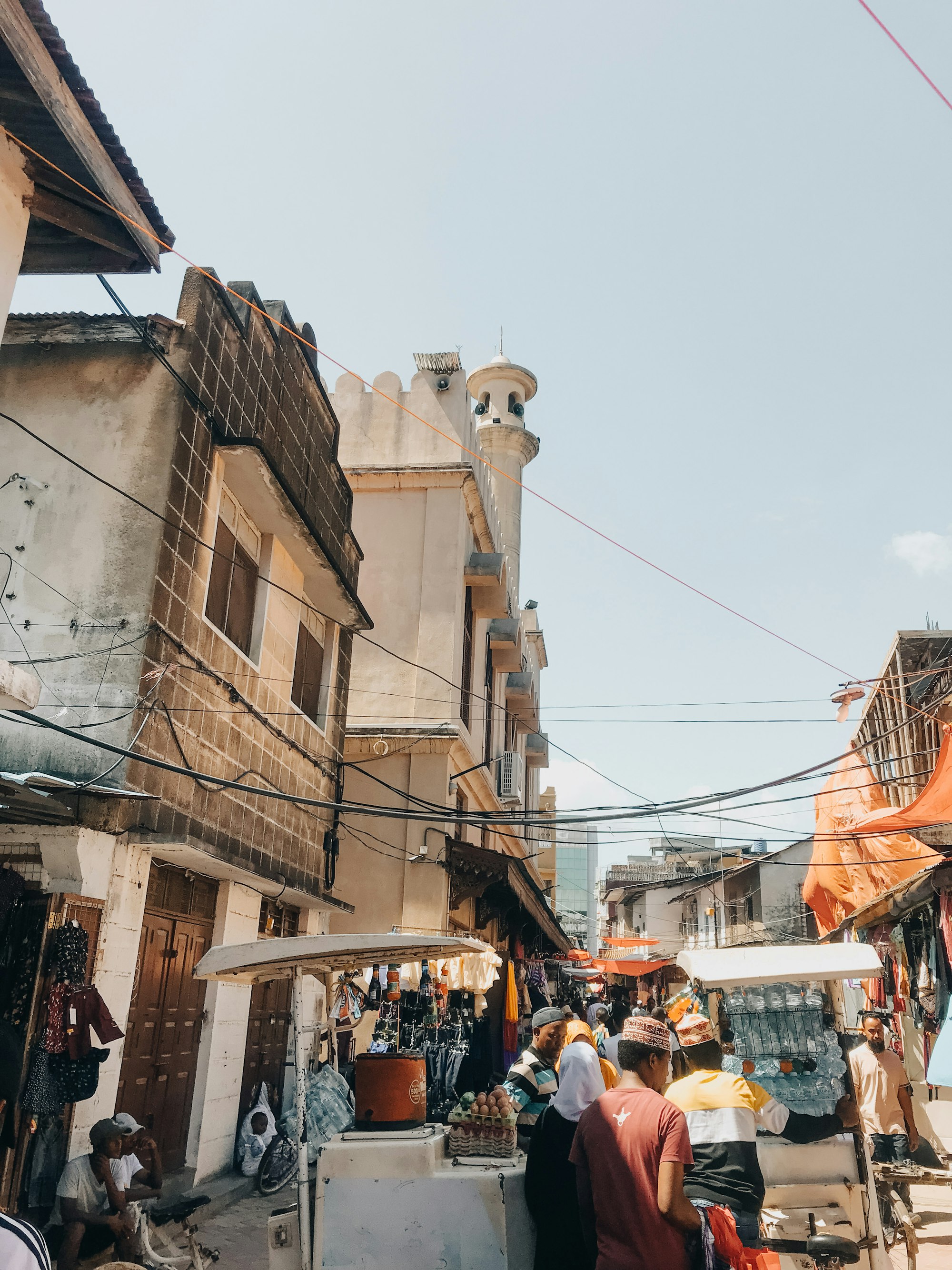
A lot of the people we build for live in more than one language, and often in more than one country. They work and sign papers in one language, and they love, worry, and pray in another. When the moment comes that a message truly matters, it belongs in the second one — the language of the kitchen and the phone call home, not the language of the paperwork.
Beacon is now available in Haitian Creole and Somali.
Why language is part of keeping people safe
Beacon does one thing and holds it steady: it keeps a single message for a single person, checks in with you quietly, and delivers your words if the day comes that you can't send them yourself. For that to be worth anything, the message has to be understood — completely, and by the person you meant it for.
In a family where English is the second language, the most important words are exactly the ones that get lost first. Instructions get half-translated by whoever happens to be fluent. Elders are left to piece things together in a language that was never theirs. Now Beacon speaks Kreyòl and Soomaali through every step — so your message reaches the whole family, including the people who would have been left at the edge of the room. Write it however you actually speak; we translated the tool, not your words, and we never will.
For families spread across distance
For many Haitian and Somali families, the person the message is for isn't down the hall. They're in another country, another time zone — a parent who stayed, a sibling scattered by circumstances no one chose. The distance is already part of the worry.
A message that has to cross that distance shouldn't also have to cross a language on the way. When you write in your own first language, the words arrive in the form the person will actually feel them — not a careful English approximation, but the way you'd have said it at the table if you were both in the same room.
Now, plainly: how we choose
We'll be honest about something, because it would be strange not to.
These languages were not chosen by market size. We are choosing, on purpose, the languages of communities that are under strain — families navigating displacement, uncertain status, and the particular exhaustion of building a life on ground that can shift without much warning. Haitian Creole and Somali are spoken by people who have had good reason, recently and repeatedly, to think about what they would want said if they weren't the one there to say it.
We're not going to pretend this fixes any of that. It doesn't. A translated app is a small thing held up against large and stubborn problems, and we'd rather name that plainly than dress it up. But it is the thing we actually know how to do. If someone in one of these communities decides to leave a message in safe hands, we can at least make sure the tool meets them in their own words instead of asking them to translate the hardest thing they'll ever write.
That's the whole of it. It's a small way of contributing, offered as exactly that — and we intend to keep going, one language at a time, choosing them the same way.
The promise doesn't change
Everything that made Beacon Beacon is exactly as it was. Your message stays private and encrypted, held for the one person you chose, and sent only if you stop checking in. The steady hand behind it — the unglamorous work of staying up, staying careful, and being there on the day it's needed — is the same in every language.
Set up your beacon
It still takes only a few minutes: one person, one message, one schedule. Write the thing you'd most regret leaving unsaid — in the language you'd say it in — name the person who should hear it, and let Beacon watch over the rest. A message in safe hands, in your own language, is a quiet kind of relief. Everyone deserves it in the words they think in.